Recently at the clinic we have started learning about and recommending the Perfect Noggin for infants. Because this is something […]
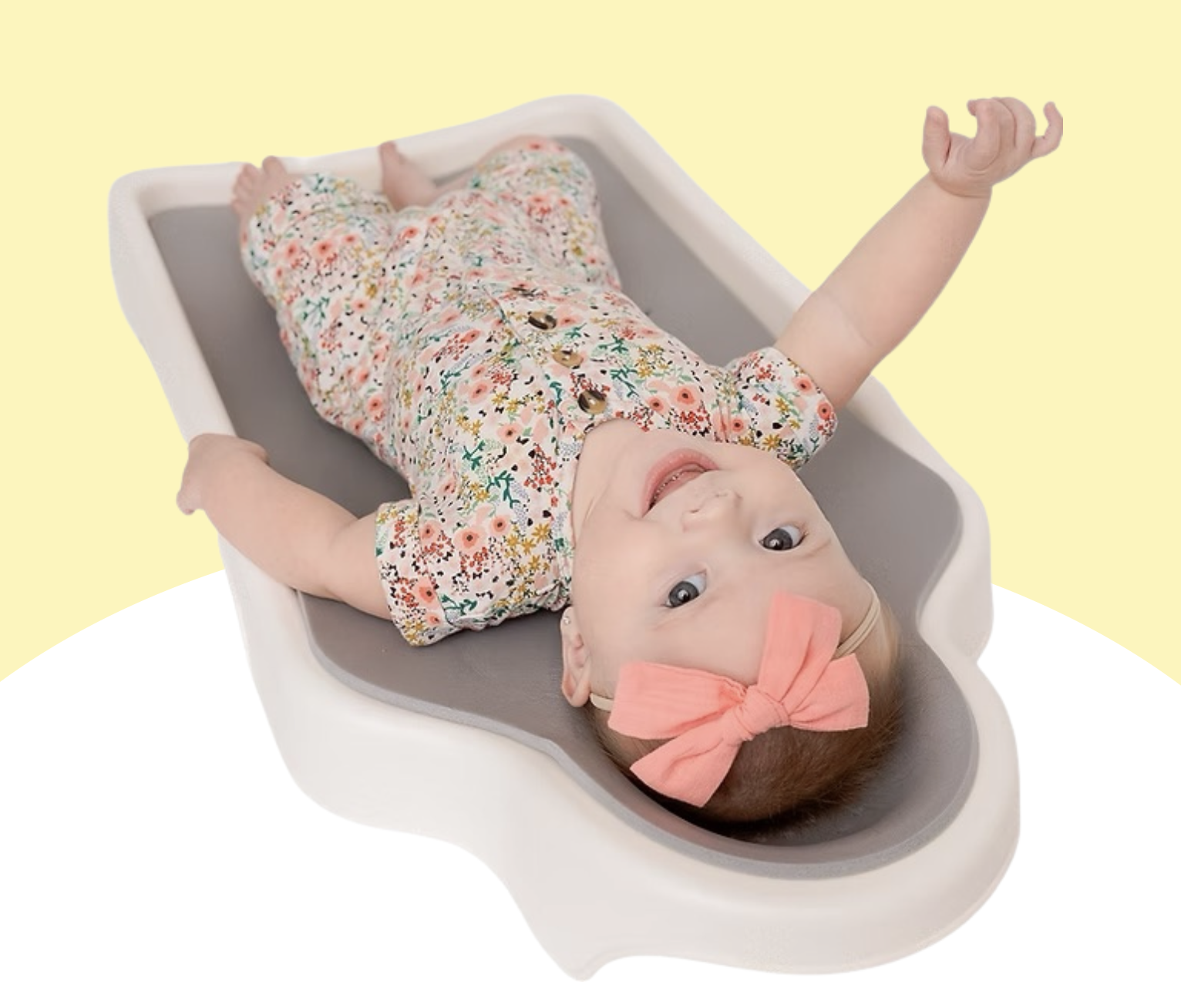
Recently at the clinic we have started learning about and recommending the Perfect Noggin for infants. Because this is something we are beginning to use more in practice, I thought it would be helpful for this month’s journal club to look at some of the research behind it so we can better understand the evidence supporting its use. Two of the articles reviewed look specifically at the device itself (referred to in the literature as the cranial cup or Plagio Cradle), while the third article is a more recent systematic review examining conservative management strategies for infant head shape asymmetry more broadly. Together, these studies help provide some context for how devices like the Perfect Noggin may be used alongside physiotherapy, repositioning strategies, and caregiver education in both the prevention and management of head shape asymmetry in infants.
ARTICLE 1
Effectiveness of Conservative Treatments in Positional Plagiocephaly in Infants: A Systematic Review
Study Design: This systematic review analysed nine studies of high methodological quality published between 2013 and 2023, including a total of 5,051 infants. Study sizes ranged from 24 to 4,378 participants.
Interventions Examined: The review grouped conservative management into three main approaches:
1. Physical and Manual Therapy – Included physiotherapy approaches such as passive stretching, strengthening exercises, manual therapy techniques, and methods such as Bobath and craniosacral therapy. These interventions aimed to restore cervical range of motion and improve muscular balance.
2. Helmet Therapy – Used for moderate to severe cases to redirect cranial growth. Helmets were typically worn for 20–23 hours per day with regular adjustments.
3. Caregiver Education and Repositioning – Focused on increasing tummy time, encouraging head rotation to the non-preferred side, environmental stimulation, and alternating sleep positions. Early screening (within the first 2–8 weeks) was emphasised as critical for successful repositioning.
Key Results
• Manual therapy significantly increased cervical rotation and reduced treatment duration by approximately 39 days.
• Helmet therapy achieved high correction rates (up to 95% in one large study) but was associated with side effects such as skin irritation and sweating.
• Combined care (physiotherapy plus caregiver education) produced greater improvements in cranial symmetry compared to education alone Clinical Conclusions
• Physiotherapy is recommended as a first-line treatment for non-synostotic cranial asymmetry.
• Early intervention is critical for optimal outcomes.
• Helmet therapy is generally reserved for persistent or severe cases due to cost and potential side effects.
ARTICLE 2
Correction of Deformational Plagiocephaly in Early Infancy Using the Plagio Cradle Orthotic (2013)
Study Design: Prospective study conducted at Children’s National Medical Center and George Washington School of Medicine evaluating a modifiable resting surface device (Plagio Cradle). Participants:163 infants aged 4 months or younger.
Groups were divided based on age at treatment initiation:
• Group 1: Treatment started before 10 weeks
• Group 2: Treatment started between 10–20 weeks
Key Findings
• Infants who began treatment before 10 weeks showed greater improvement in cranial asymmetry.
• The average rate of correction was 0.8 mm per week.
• Early intervention resulted in higher rates of full correction.
• Only infants in the older group required transition to helmet therapy.
Limitations and Bias
• Financial conflicts of interest among authors. // No control group.
• Potential measurement bias due to multiple assessors.
• Possible referral bias toward more severe cases.
ARTICLE 3
Cranial Cup vs Traditional Repositioning and Stretching (2008)
Study Design
Non-randomised prospective clinical trial comparing a cranial cup device with traditional repositioning
and stretching strategies.
Participants
47 infants younger than 4 months:
• Treatment group: 24 infants using the cranial cup
• Control group: 23 infants using repositioning and stretching
Key Findings
• Cranial asymmetry improved significantly in the treatment group (TCD improved from 11.2 mm to 3.5 mm).
• The control group showed minimal change (9.0 mm to 8.0 mm).
• Both groups showed similar improvements in cervical rotation.
• Average treatment duration was approximately 56 days.
Limitations and Bias
• Non-randomised design with historical controls.
• Small sample size.
• Measurements performed by a single non-blinded examiner.
• Limited follow-up period
CLINICAL INTERPRETATION: ROLE OF PHYSIOTHERAPY AND ADJUNCTIVE DEVICES
The earlier studies investigating the cranial cup/Plagio Cradle [aka Perfect Noggin] suggest that a modifiable resting surface may help improve cranial symmetry when introduced early in infancy. However, these studies primarily focus on correcting existing positional plagiocephaly and have several methodological limitations including small sample sizes, lack of randomisation, and potential conflicts of interest. More high quality research is definitely needed on the Perfect Noggin.
More recent high-quality evidence, including the systematic review, strongly supports physiotherapy as the first-line treatment for positional plagiocephaly. Physiotherapy interventions such as manual therapy, stretching, strengthening, and caregiver education improve cervical range of motion and promote symmetrical development. As torticollis and limited cervical mobility are commonly associated with plagiocephaly, physiotherapy also addresses underlying contributing factors. Based on the current evidence, the most effective approach appears to be multimodal management, where physiotherapy is combined with caregiver education and repositioning strategies. Devices such as the Perfect Noggin may act as adjunct tools to support repositioning and reduce prolonged pressure on the flattened region of the skull, particularly in younger infants who have not yet developed rolling.
Overall, early identification and physiotherapy intervention remain the most important factors influencing treatment success.