If your child has cerebral palsy (CP), you’ve probably heard “you should see an OT.” But what does an occupational […]
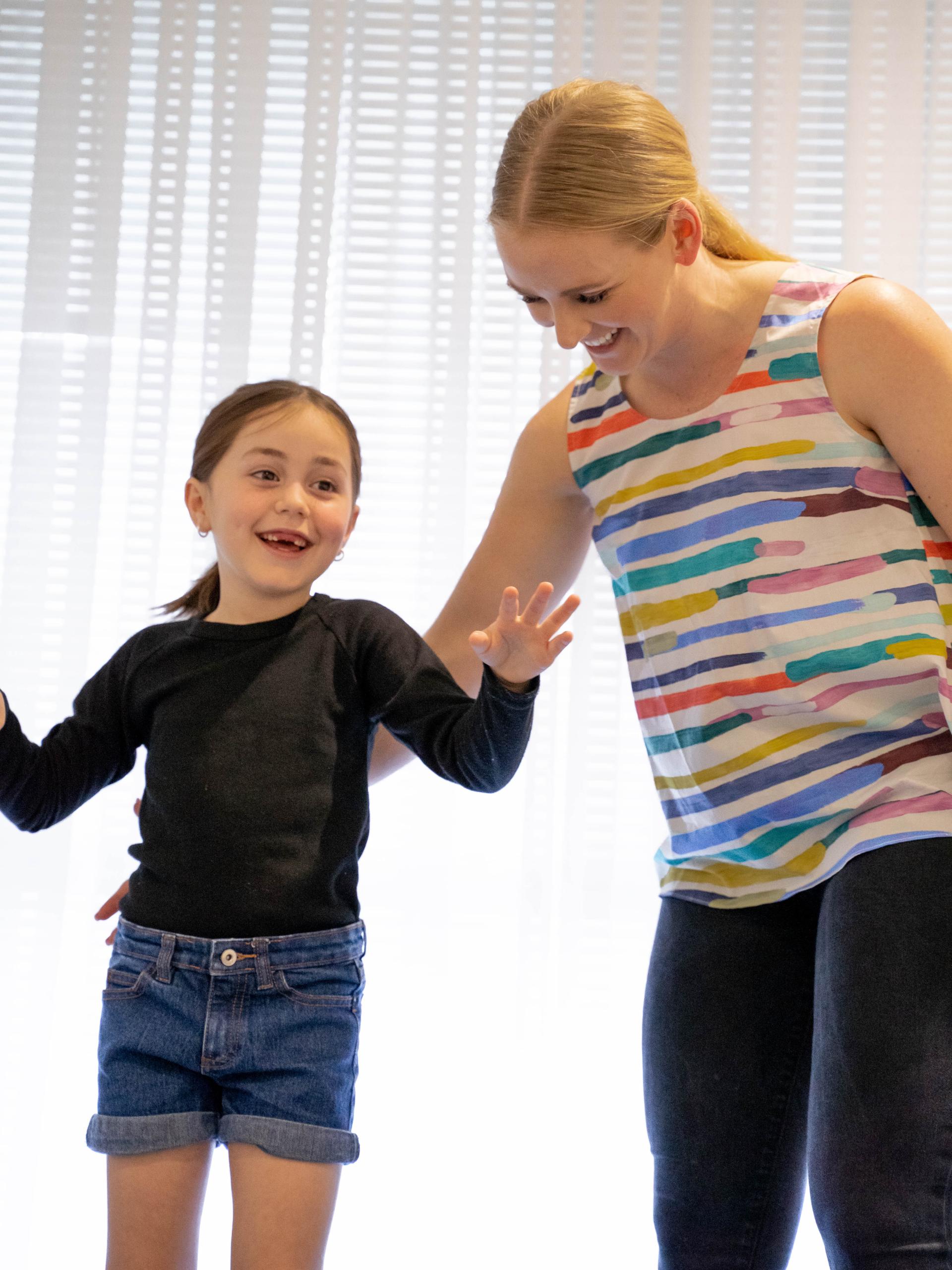
If your child has cerebral palsy (CP), you’ve probably heard “you should see an OT.” But what does an occupational therapist actually do, and how does it help?
Here’s the short version: OTs help kids do the things that make up their day. Eating, dressing, playing, learning, writing, getting around, and joining in at school and in the community. Occupational therapy is an important part of supporting many children with CP, and here’s what that can look like.
Therapy that’s built around your child’s goals
Good OT starts with a conversation. What does your child want to be able to do? What’s frustrating at home or at school? What matters most to your family?
From there, we set clear and meaningful goals together. It might be holding a spoon, doing up buttons, using both hands to play, getting dressed more independently, or holding a pencil.
The goals will look different for every child because CP affects every child differently.
Practising the real thing (in a fun way)
Evidence supports practising the actual skills a child wants or needs to develop, rather than focusing only on general exercises.
If the goal is feeding themselves, for example, we might practise using spoons, cups and real food, breaking the task into small and achievable steps.
Children also learn best when they’re actively involved in what they’re doing. Rather than therapy being something that’s simply done to your child, we want them participating, experimenting and having lots of opportunities to practise.
Play is a big part of this. Kids are much more likely to practise something again and again when they’re interested, motivated and having fun.
Help for hands and arms
CP can affect how a child uses their hands and arms, particularly when one side of the body is more affected than the other.
Depending on your child’s needs, an OT may use approaches such as:
These approaches often involve a higher amount of focused practice over a set period of time. Your OT can help determine whether they are appropriate for your child and how they should be delivered.
For some children, upper limb therapy may also form part of a broader treatment plan, with OTs working collaboratively within the multidisciplinary team (MDT) to support the child’s individual goals and needs.
Kids can learn to problem-solve, too
For some children, a coaching approach called CO-OP can be a great fit.
Instead of the therapist simply telling your child how to complete a task, CO-OP teaches them how to develop a plan, try it out, work out what happened and find strategies that help.
The focus is on skills that are meaningful to your child, and the problem-solving strategies they learn can sometimes be applied to other activities too.
CO-OP isn’t the right approach for every child, so your OT will consider your child’s age, communication, thinking and problem-solving abilities when deciding whether it may be suitable.
Therapy doesn’t stop when the session ends
Families are an important part of the therapy team.
Practice can often be woven into things your child is already doing every day, such as getting dressed, mealtimes, bath time and play.
That doesn’t mean turning your home into a clinic. Small, regular opportunities to practise meaningful skills can add up over time.
Your OT can help you find realistic ways to support your child’s goals within your family’s usual routines.
Tools and changes that make everyday life easier
OT isn’t only about teaching a child a new skill. Sometimes changing the task, equipment or environment can make a huge difference to their independence, comfort, safety and participation.
Depending on your child’s needs, an OT may recommend or help with:
The aim isn’t simply to make a task easier. It’s to help your child have as many opportunities as possible to participate in everyday life.
Supporting everyday independence
OTs can also help children with CP develop skills across everyday routines, including:
For some children, the goal may be greater independence. For others, it might be finding a safer or easier way to participate, identifying the right equipment, or reducing the amount of assistance they need.
It’s about more than skills
Good OT looks at the big picture, not just what your child can’t do yet.
A helpful way to think about this is through the “F-words” of childhood: function, family, fitness, fun, friends and future.
Ultimately, therapy is about helping your child participate in everyday life, build independence where possible, develop meaningful skills and enjoy the things that matter to them.
Your OT may also work alongside the rest of your child’s team, such as physiotherapists, speech pathologists, doctors, educators and other health professionals, so everyone can work towards shared goals.
Where appropriate, therapy can also happen in the places where your child actually uses their skills, such as at home, childcare, kindy, school or in the community.
Early support can make a difference
Young children learn and develop rapidly, so accessing support early can provide valuable opportunities to build skills and support participation during important stages of development.
You also don’t need to wait for a formal diagnosis before discussing developmental concerns or seeking advice.
And while early intervention is valuable, OT isn’t only for young children. As children with CP grow, their abilities, environments and everyday demands change. OT can continue to support new goals and transitions throughout childhood and adolescence.
Curious about OT for your child?
At Upside Kids Physio & Health, our Occupational Therapists work alongside children and their families to support the skills they need for everyday life, from play and self-care to learning, independence and participation.
Get in touch with our team to find out how occupational therapy could support your child and their goals.