What’s next after walking?
Watching little ones take their first steps is an exciting moment for parents! Learning to walk is an amazing achievement […]
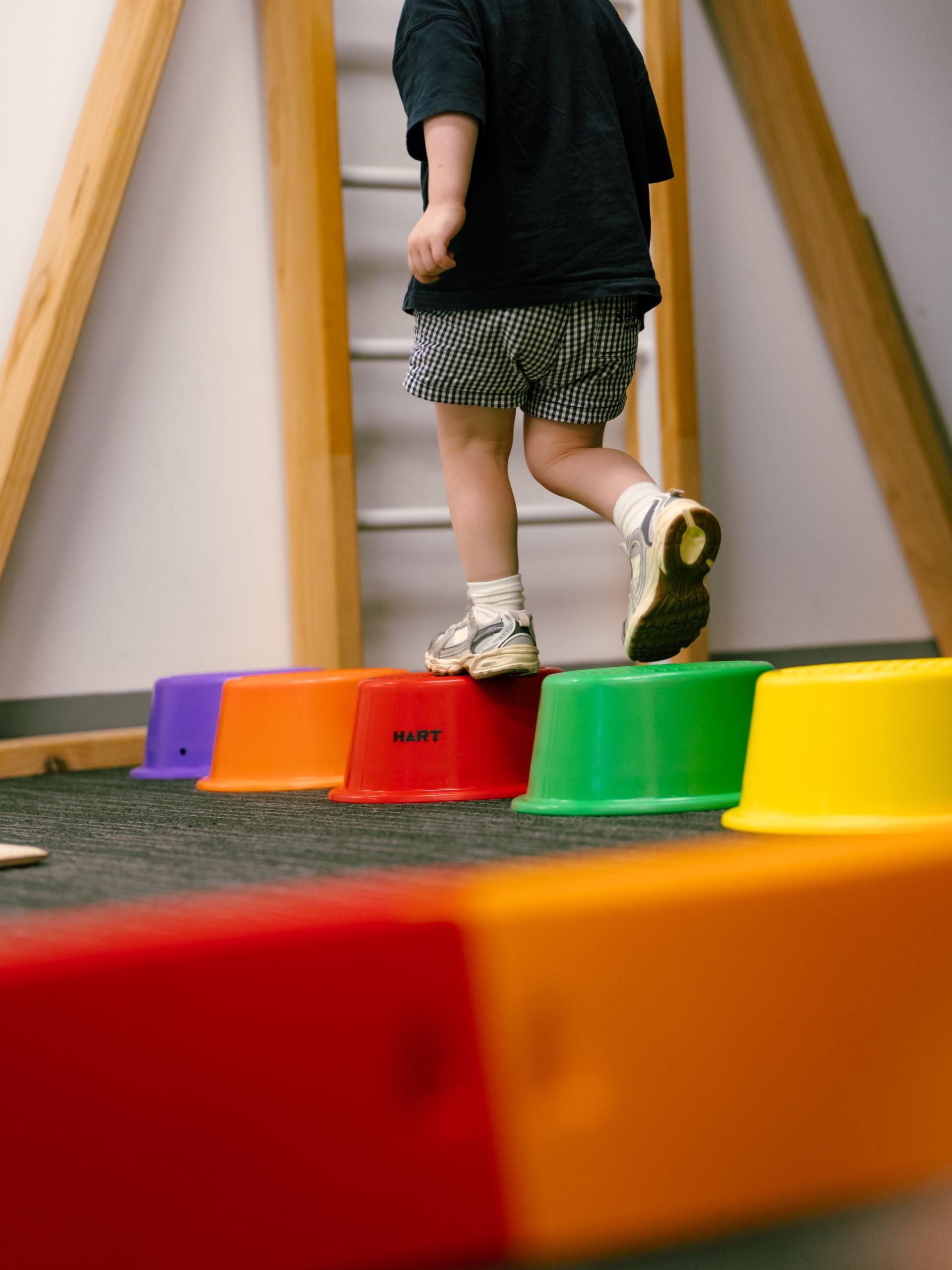
Watching little ones take their first steps is an exciting moment for parents!
Learning to walk is an amazing achievement for them, but it’s just the beginning of their movement journey.
Once your little one is walking, you might wonder what milestones come next.
There are many important skills that your baby will learn once they start walking.
This blog will discuss what we as physiotherapists refer to as ‘early walking skills’. This might help guide you what to look out for, and give you ideas of some skills to practice with them.
Key early walking skills:
- Walking and changing direction: Babies first then how to walk short distances in a straight line. Turning their body and continuing to walk is a more complex skill that requires more balance.
- Walking on an uneven surface: Once your little one has mastered walking indoors, you can challenge them by practicing walking on different surfaces, such as grass, sand, or even soft mats within the house. This will challenge their stability, and improve their balance.
- Squatting to pick up toys: This one’s super important, as playing with toys is such a big part of your little one’s day! Practicing picking toys up off the floor will help your little ones leg muscles get stronger.
- Walking while carrying heavy toys: Combining walking with carrying adds an extra layer of challenge.
- Walking up and down hills: Navigating hills also requires more strength and balance. Start with gentle slopes and build from there!
- Walking around or stepping over obstacles: To be able to step around obstacles your little one needs to make small changes in direction and have good spatial awareness. Stepping over obstacles also requires your child to balance on 1 foot for a short period of time. Setting up objects to step over will challenge your little one’s balance.
- Walking backwards: This is more complex than walking as it requires children to learn a new movement pattern.You might help your child work on this by giving them a toy on a string to pull along while walking backwards.
- Ability to change speed: Being able to increase and decrease speed is also a more complex walking skill. You might notice your child starting to walk faster, or trying to run!
- Walking up and down stairs (either holding handrails or your hands): Progressing from crawling up and down stairs to walking is also an exciting milestone. Practicing walking up and down stairs will build strength, balance and confidence.
As you can see, there are lots of fun things to work on once your little one starts walking. If you’re concerned about your little one’s progress once they start walking, it may be a good idea to reach out to the team at Upside Kids Physio & Health for an assessment with a paediatric physiotherapist.
References: