If you’ve recently been told your child may benefit from Occupational Therapy, you might be wondering… what actually is OT? […]
If you’ve recently been told your child may benefit from Occupational Therapy, you might be wondering… what actually is OT?
You’re definitely not alone.
A lot of parents hear the term “Occupational Therapist” for the first time through a daycare educator, NDIS, GP, physio, teacher, or another parent – and aren’t quite sure what it means for their child.
At Upside, our paediatric OT services are all about helping children build the skills they need for everyday life. That might mean supporting a child to participate more confidently at kindy, manage emotions during transitions, develop fine motor skills for drawing and handwriting, or become more independent with daily routines like dressing, feeding, and toileting.
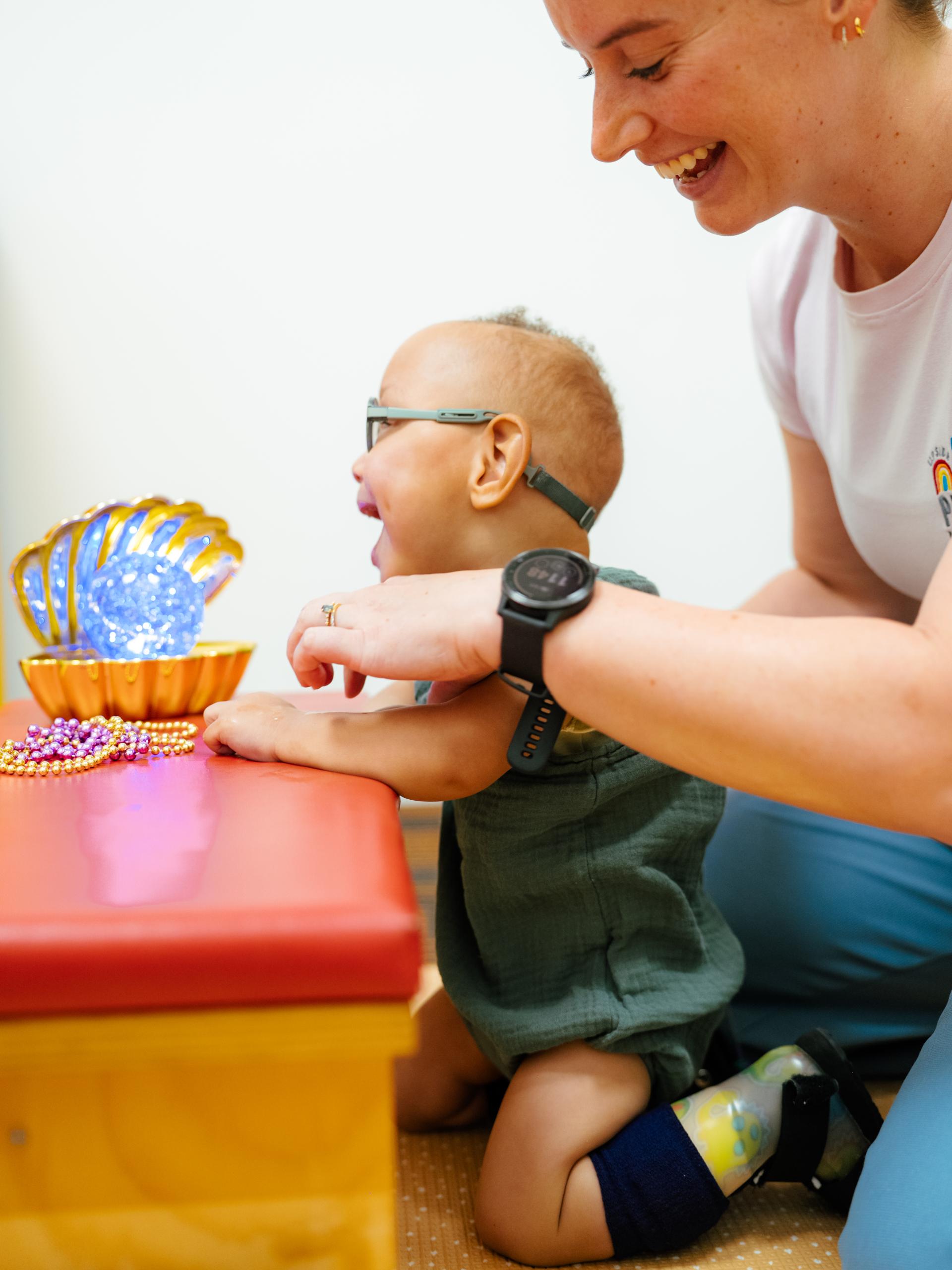
And for children, therapy often just looks like play.
A paediatric Occupational Therapist (OT) works with children to support their development, independence, and participation in everyday activities.
For children, their “occupations” are the things they do every day – playing, learning, moving, connecting with others, eating, dressing, sleeping, and participating at home, daycare, kindy, or school.
Some children naturally develop these skills with ease, while others may need extra support along the way. OT helps children build these skills in a way that feels safe, engaging, and achievable.
Every child is different, so Occupational Therapy looks different for every family.
Some children may struggle with fine motor tasks like using scissors, holding a pencil, or managing buttons and zips. Others may find group time difficult, become overwhelmed by noise or busy environments, struggle with coordination, or have big emotional responses during transitions and daily routines.
At Upside, we commonly support children with:
Some children have a diagnosis, and some do not. Often, families simply notice that everyday tasks feel harder for their child than expected compared to other children their age.
An OT session might involve obstacle courses, swings, climbing, sensory play, craft activities, games, or pretend play. While it may look like “just playing,” there is always a purpose behind the activity.
For example, a game involving climbing and balancing may actually be targeting coordination, core strength, motor planning, and body awareness. A craft activity may be supporting hand strength, bilateral coordination, attention, and frustration tolerance.
Children learn best through connection and play – especially when they feel supported and successful.
Absolutely.
Parent and caregiver involvement is a huge part of paediatric Occupational Therapy. We work closely with families to understand what is happening at home and provide practical strategies that can be used in everyday routines.
At Upside, we want therapy to feel realistic, supportive, and meaningful for families – not overwhelming.
We also regularly collaborate with educators, teachers, physiotherapists, speech pathologists, and other supports to help children participate more confidently across all environments.
When should I consider an OT assessment?
You don’t need to wait until things feel “severe” to seek support.
Sometimes parents simply have a feeling that their child is finding certain things harder than expected. Early support can make a huge difference in helping children build confidence, independence, and positive experiences in everyday life.
An OT assessment may be helpful if your child:
At Upside Kids Physio & Health, our Occupational Therapy services are play-based, family-centred, and focused on helping children thrive in their everyday environments.
We understand that every child develops differently, and our goal is to support children in building confidence, independence, and meaningful participation in the things that matter most to them.
If you think your child may benefit from Occupational Therapy, we would love to support you. Book an OT assessment with Upside Kids Physio & Health today.